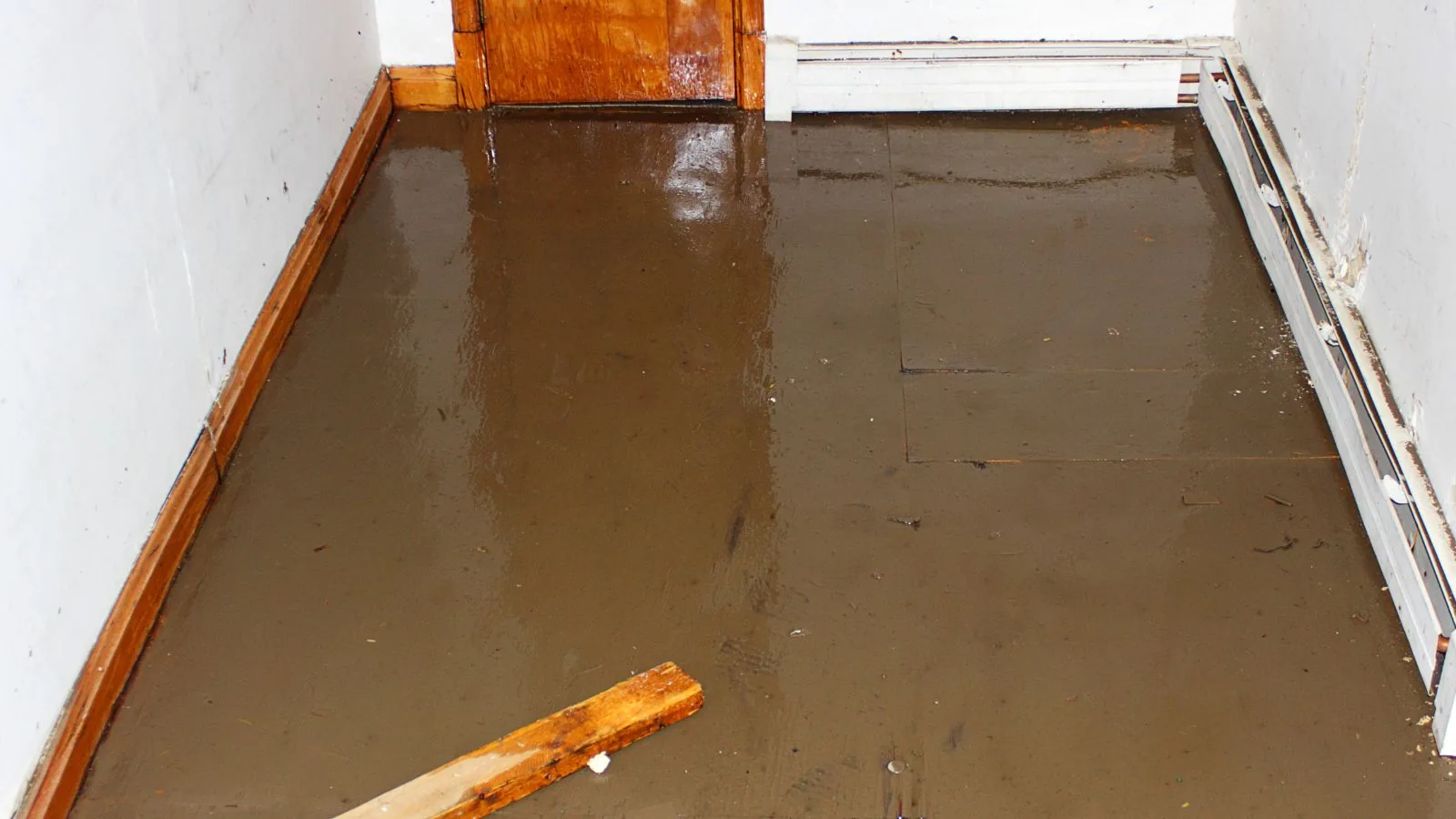
First, what kind of water was it?
The answer decides everything. Clean water from a supply line is different from creek water, sewage or water that sat for days. Furniture soaked by contaminated water should not be kept, and the cleanup should be handled with care.
If the water was clean and you act within a day or two, many items can be saved. If the water sat longer, or if it was dirty, discard soft items and photograph them first.
What can be saved and what cannot
| Item | Clean water, caught fast | Dirty water or long exposure |
|---|---|---|
| Innerspring mattress | May dry with fans and sun | Usually discarded |
| Memory foam mattress | Hard to dry through, often discarded | Discard |
| Fabric sofa | May dry if cushions are removed and aired | Usually discarded |
| Leather sofa | May be cleaned and dried slowly | Discard if soaked |
| Solid wood frames | Usually can be dried and cleaned | Clean and dry carefully |
A mattress or foam cushion holds water deep inside, and surface drying does not reach it. If you can press water out of a cushion, the core is wet.
Steps for a clean water leak
Remove the item from the wet area
Lift the mattress or sofa onto a dry surface, preferably outdoors or in a well ventilated room.
Photograph it
Take photos and note the age and cost for your claim before cleaning.
Blot, do not rub
Press towels into the fabric to draw water out, and use a wet vacuum if you have one.
Dry with air and heat
Use fans and a dehumidifier, and put the item in dry sun when possible.
Check for odor and dampness
If it still feels damp or smells musty after two days, replace it.
Is the floor under the furniture wet too?
Furniture often sits on wet carpet or flooring. We can extract the water and dry the structure so the room does not hold moisture.
Do not forget the floor and walls
A wet sofa usually means a wet floor. Carpet pad holds water, and baseboards can wick it upward. The page on carpet water damage restoration explains how the pad and carpet are handled, and the structural drying page covers the equipment.
If you leave furniture on a wet floor, it will stain, and the legs can leave marks. Lift it onto blocks or foil while the area dries.
Drying tips that actually help
Air moves moisture out of fabric, so put fans on both sides of a cushion and prop it on its edge. Avoid heat that is too hot, since it can shrink fabric and warp foam. A dehumidifier in the room does more than an open window on a humid day.
Sun helps when it is dry outside. Turn the item every few hours so all sides get air. Bring it in before evening dew sets in.
When replacing is the better choice
A mattress that costs less than a week of fighting with it is often better replaced. If a bed has a musty smell, a stain that keeps returning or a damp core, the replacement is a health and comfort decision as much as a financial one.
Ask your insurer before you discard, and keep photos, labels and any receipts. Having those first speeds the contents claim.
The ANSI/IICRC S500 standard sorts water into three categories by source. Items wet by clean Category 1 water are the best candidates for saving, while items wet by Category 3 water, such as sewage or creek water, are generally discarded because they cannot be reliably cleaned.
What federal and state guidance says about drying and documenting
The US Environmental Protection Agency advises drying water-damaged materials within 24 to 48 hours to limit mold growth, and it notes that porous items that stay wet may need to be discarded. The North Carolina Department of Insurance advises homeowners to photograph damaged property and to keep records for a claim.
After the August 2020 flash flood in Salisbury put water into the Wellington Hills condominiums, residents faced the same choice that every household with a leak faces: dry it now or discard it. Photos before disposal made the claims easier.
Sources: US EPA guidance on mold and moisture, NC Department of Insurance consumer guidance, local news reporting on the August 2020 flash flood.
Insurance and contents
Your homeowners or renters policy may cover contents damaged by a sudden leak. Make a list with each item, its age and its rough cost, and keep the photos. For a mattress or sofa, a receipt or a photo of the label helps. Residents in Spencer and Landis can use the same steps.
Wet furniture questions
Sometimes, if the water was clean and you act within a day or two, but foam and thick layers hold water deep inside. If it stays damp or smells musty after drying, replace it.
Only if it is fully dry and has no odor. A damp or musty mattress can support mold, so replace it if in doubt.
No. Soft furnishings contaminated by sewage should be discarded and photographed first.
It may if the loss is covered and your policy includes contents. Ask your agent, and keep photos, labels and receipts.