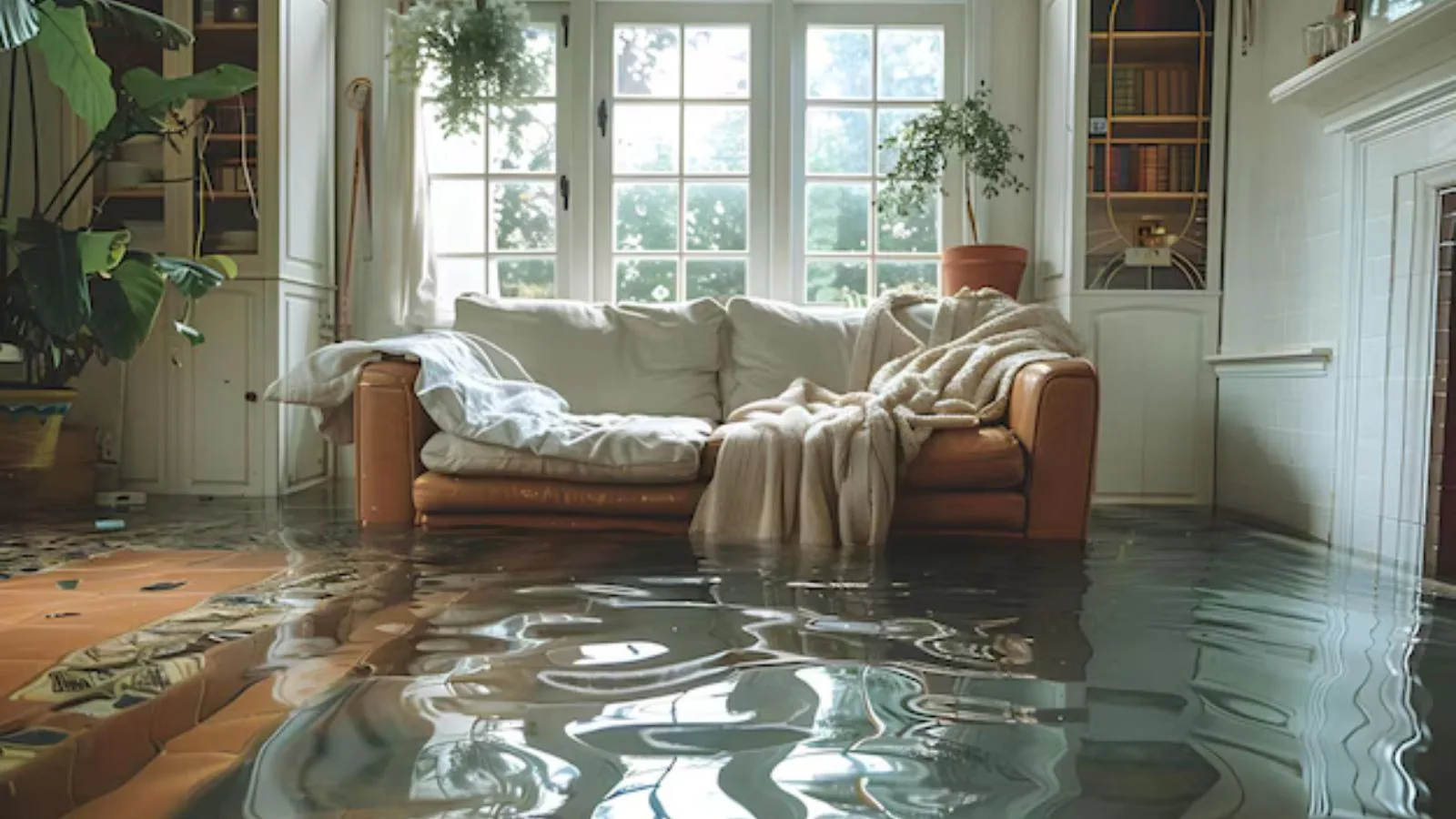
Start with safety, then with photos
Stop the water if you can do it safely, and stay out of rooms where water has reached outlets or the panel. Once the house is safe, take photos and short videos before anything is moved, wiped or thrown out.
Shoot each room from the doorway, then close up on the damage. Include the water line on walls, wet flooring, ceiling stains and any item that is ruined. Photos taken before cleanup are the strongest evidence you will have.
The claim in order
Call your insurer early
Report the loss as soon as the house is safe. Ask for the claim number and the name of the adjuster.
Protect the property
Policies expect you to limit further damage, so start extraction and drying while you wait for the adjuster.
Keep damaged items
Hold on to ruined materials the adjuster may want to see, and photograph them before disposal.
List your contents
Write down each damaged item with its age, where it was bought and a rough value.
Save every receipt
Keep invoices for drying, hotel stays and temporary repairs in one folder.
What to write down and keep
Keep a simple log with the date and time you noticed the water, where it came from and what you did next. If the cause was a failed line or appliance, keep the part when you can. Insurers often ask when the damage began, and a log answers that without guessing.
- Photos and video taken before cleanup
- The claim number and adjuster contact details
- A written room by room list of damaged materials and contents
- Invoices and receipts for emergency work
- Notes of every call, with the date and name
Working with the adjuster
The adjuster decides what the policy pays, and your job is to show what happened. Walk the house together, point out each wet area and share your photos. If you disagree with the estimate, ask for it in writing and ask what the figure is based on.
Drying work and rebuilding work are different phases. We document the extraction and drying with moisture readings, then separate it from repairs such as drywall repair, so the paperwork is easy to follow.
Want the scope explained before you sign anything?
We explain the scope and the price before work starts, so you and your adjuster see the same plan.
Large losses and multiple rooms
When water reaches several rooms or a whole floor, the claim often has more moving parts, including temporary housing and contents handling. Ask your insurer early whether living expenses are covered, and keep receipts from the first night.
A fast water extraction visit keeps the loss from growing while those questions are answered. A wet house gets worse every day it waits.
Mistakes that slow a claim down
The most common mistake is cleaning up before taking photos. A dry floor and a fresh coat of paint tell the adjuster nothing, and the claim turns into a debate about what the room looked like.
The second is waiting. Water keeps working while you wait, and a loss that could have been limited to one room can spread to the next. Insurers expect you to take reasonable steps, so call for help and tell the adjuster what you did.
The third is accepting a figure without asking what it covers. Ask whether the estimate includes drying, demolition, rebuilding and contents, and ask for the breakdown in writing.
Rowan County claim notes from the state insurance regulator
According to the North Carolina Department of Insurance, which publishes consumer guidance for homeowners after a loss, policyholders should to document damage, keep receipts and contact the insurer promptly. It also notes that flood and rising water are generally excluded from homeowners policies.
After the August 2020 flash flood, which put water into condominiums and basements in Salisbury, claims for creek water and claims for pipe water went down very different paths. Knowing which kind of loss you have shapes which policy to call.
Sources: NC Department of Insurance consumer guidance, NC Flood Risk Information System (fris.nc.gov).
Help for homeowners in nearby towns
We work with homeowners across the county, including in Granite Quarry and Faith. The steps above are the same wherever the house is.
Salisbury claim questions
Call both on the same day. Your insurer opens the claim and assigns an adjuster, while a restoration crew can start stopping the damage right away. Starting drying does not cancel your claim, and photos taken first protect it.
Policies set their own reporting windows, and many ask for prompt notice. Check your policy, and call as soon as you find the damage.
Not until you have photographed them and listed them. Keep anything the adjuster might want to see, and ask before discarding large items.
Many policies cover the reasonable cost of drying a covered loss. Keep the invoice and the drying log, and ask your adjuster how the line item is handled.