A year of water risks
Water problems follow the calendar. Pipes are at risk in cold snaps, gutters in autumn, roofs in spring storms and air conditioners in summer heat. A short check each season catches most of them.
Put the four checks on your calendar. Each takes less than an hour.
Winter: pipes and cold snaps
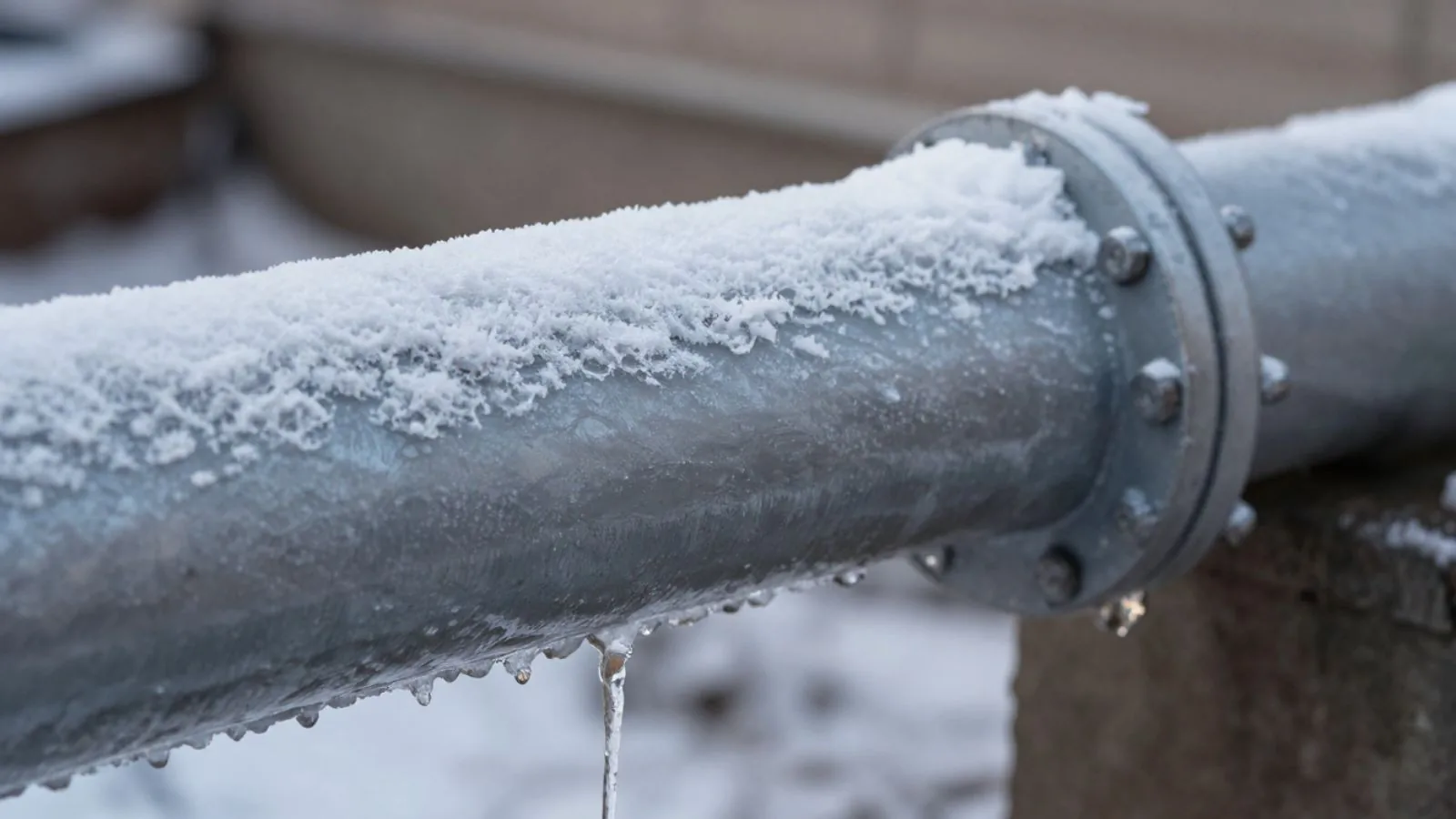
When temperatures drop, exposed pipes in crawl spaces, garages and exterior walls are most at risk. Let a faucet drip during a hard freeze, open cabinet doors on exterior walls and know where your main shutoff is.
According to Salisbury-Rowan Utilities, cold weather raises the risk of broken water lines and unexpected spikes in water bills. If you leave town in winter, shut off the water or ask someone to check the house.
Spring: storms and roofs
Spring storms test the roof, flashing and gutters. After the first heavy rain, check ceilings and attic spaces for new stains, and look at windows and doors for drips.
Summer: air conditioners and appliances
Air conditioners make a lot of condensate in humid weather, and a clogged drain line can overflow into a ceiling or closet. Flush the line, clean or replace the filter and look at the drain pan. Check hoses on washers and dishwashers while you are at it.
Fall: gutters and drainage
Leaves clog gutters and downspouts, and clogged gutters send water behind siding and against the foundation. Clean them after the leaves fall, and check that downspouts discharge away from the house.
| Season | What to check | Warning sign |
|---|---|---|
| Winter | Exposed pipes, shutoff valve, outdoor spigots | Frost, bulging pipe, low pressure |
| Spring | Roof, flashing, attic, windows | New ceiling stain, drip on windowsill |
| Summer | AC drain, drain pan, appliance hoses | Water near the air handler, damp closet |
| Fall | Gutters, downspouts, grading | Overflowing gutters, damp foundation |
Found a leak during a seasonal check?
Call the 24/7 line. We explain the scope and the price before work starts.
How to run the checks without wasting a weekend
Keep a short list on your phone for each season, and check the items off as you go. Take a quick photo of each thing you check, such as the AC drain pan or the gutter outlet. A photo from last year makes it easy to see change.
Start with the places where water is most likely to appear. Those are under sinks, around the water heater, at the washer hoses and near the air handler. A damp spot in any of them is worth a closer look.
Signs a seasonal problem has already started
- A new brown ring on a ceiling after a rain
- A faucet that drips when it did not before
- A hiss or running sound when everything is off
- A damp smell near a closet or cabinet
- Water pooling beside the foundation after a storm
If you see any of these, shut off the source and call. The sooner the area is dry, the smaller the repair.
Extra checks for older homes
Older houses have older pipes, older roofs and more places for water to hide. A second pass in the fall and the spring is worth the effort. Look at the base of chimneys, the attic around plumbing vents and the corners of ceilings where walls meet.
Check the caulk around tubs and showers once a year. Cracked caulk is a quiet way for water to reach the wall behind a tub, and replacing it is a cheap job compared with replacing a wall.
If you ever turn off the water for a long trip, run the taps again when you return and check under sinks. A joint that was stable for years can leak when pressure returns.
Local weather events that show why the checks matter
In November 2009 Town Creek flooded across East Innes Street, and in August 2020 a flash flood on Jump and Run Branch put water into the Wellington Hills condominiums. Hurricane Florence in 2018 and Tropical Storm Debby in 2024 showed that heavy rain is not limited to one season.
Salisbury-Rowan Utilities publishes seasonal advice for customers, including winter guidance on protecting pipes and the EyeOnWater leak alert tool. Using them costs nothing and they can catch a leak early.
Sources: Salisbury-Rowan Utilities customer notices, City of Salisbury stormwater information, local news coverage of storm events.
What to do when you find something
Stop the source if it is safe, photograph the damage and call for help. Our AC leak water damage page covers summer drip problems, and frozen pipe water damage covers winter breaks. Homeowners in Spencer and East Spencer can use the same line.
Seasonal checklist questions
It varies by year. Cold snaps cause pipe breaks, spring and summer storms cause roof and flooding problems, and humid summers bring AC leaks. A seasonal check covers all of them.
Leave the heat on at a modest setting, open cabinet doors under sinks on exterior walls, and consider shutting the water off at the main. Ask a neighbor to look in.
Flush it at the start of each cooling season and check the pan monthly in summer. A clogged line is the most common cause of AC overflow.
Yes. Water that spills over a clogged gutter lands at the foundation and soaks into the walls and crawl space.